FR
FR

Structuring Mobility Data for Interoperability
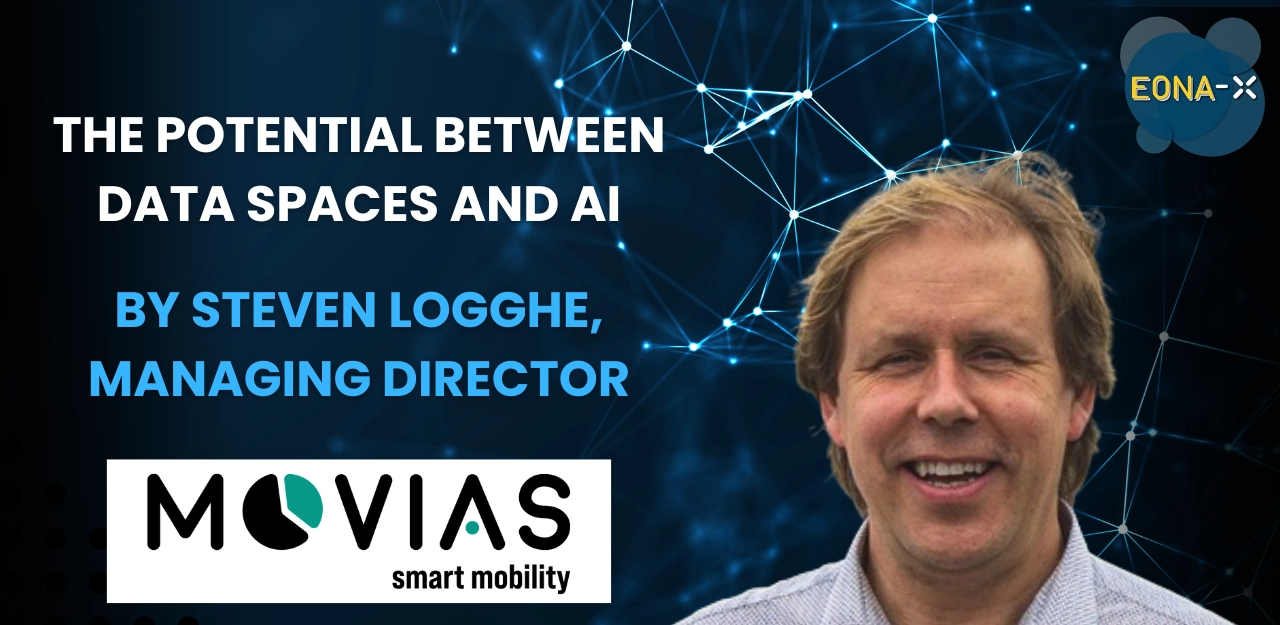
In Flanders, initiatives like the GADER AI assistant illustrate how data spaces can be operationalized to aggregate and structure traffic measurement data from multiple sources into a unified ecosystem. Led by mobility experts such as Steven Logghe, this approach provides accurate insights into modal share distribution and infrastructure usage while enabling new services in smart mobility.
The gradual rollout, from semantic standards to governance frameworks, highlights the complexity of building interoperable systems that different stakeholders can trust and adopt. At the same time, the rapid evolution of AI tools and large language models is reshaping how users interact with this data, introducing concepts like model context protocols that connect external datasets, tools, and prompts directly to AI systems.
This shift points toward “agentic data spaces,” where generative interfaces can query, analyze, and act on dynamic data environments, accelerating use-case development. For instance, Gader unburdens end users and allows them to extract insights directly from data, also for non-technical profiles.
Watch Steven’s intervention:
Connecting Data Spaces to AI-Driven Applications
As organizations recognize the growing value of combining AI with structured data ecosystems, a clear ambition is taking shape: to move from fragmented datasets toward intelligent, interoperable environments that actively support decision-making. This requires developing solutions that not only standardize and govern data sharing but also seamlessly connect it to AI-driven tools and interfaces.
By building robust technical frameworks, improving data usability, and fostering trust among stakeholders, these systems can evolve into responsive platforms where insights are generated in real time. The goal is to enable end users,whether in mobility, or beyond and to interact with complex data through intuitive, generative interfaces, ultimately transforming raw information into practical, scalable impact.
Explore More and Join the Conversation
Data spaces are laying the foundation for smarter, more connected mobility, and AI is the layer that unlocks their full potential. Initiatives like Gader, developed by Movias, show how traffic measurement data can become actionable and accessible in real time.
Discover Gader and Movias in action, and follow us on social media to stay updated on the latest developments in data-driven mobility.