FR
FR
End of the era of the “handcrafted” API
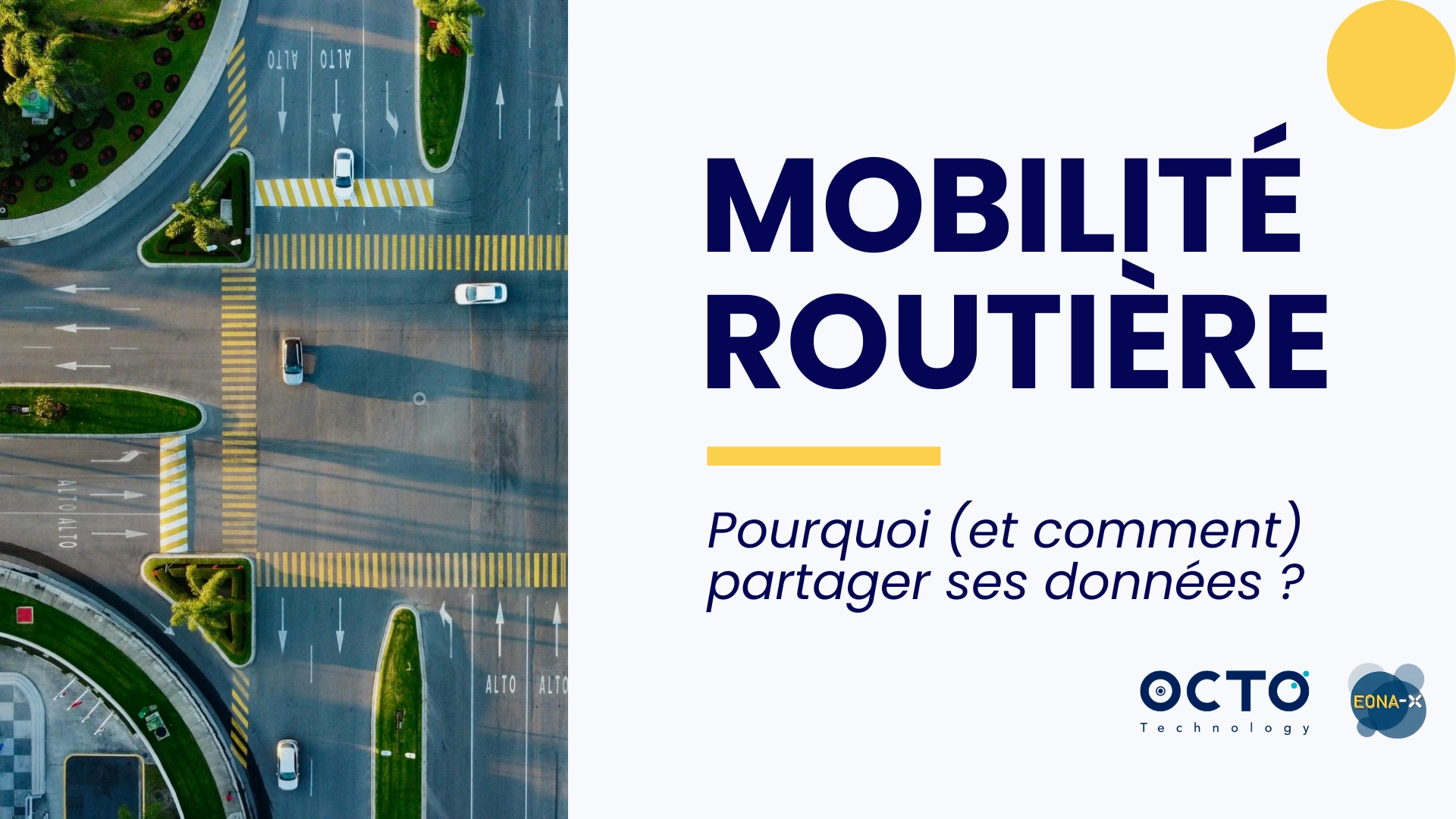
The recent webinar co-organised with OCTO highlighted a major challenge: the current approach using bilateral APIs creates massive technical debt. With the Data Act and RTTI/SRTI regulations coming into force, connecting thousands of third parties individually is becoming impossible.
Watch the webinar replay below:
💡 Key lessons learned:
Priority to decentralisation
69% of stakeholders favour the federated Data Mesh model. The data remains with its owner, guaranteeing total sovereignty.
Data sharing is based on an innovative contractual architecture:
Global level: Smart contracts define the rules of the ecosystem and will natively integrate European compliance (‘law by code’) in the future.
Granular level: For each dataset, the sharing rules vary according to the intended use and are written directly into the metadata.
Industrialising trust
For technical interoperability to work, it must be based on a common ontology (semantic standardisation).
From theory to practice
Whether for real-time ice detection or baggage flow management during the 2024 Olympic Games, the data space transforms legal constraints into business opportunities.
Towards sovereign mobility
Don’t just comply with regulations, turn them into a competitive advantage. EONA-X offers an agnostic platform to pool efforts, reduce integration costs and build strong European digital sovereignty.
👉 Check out the detailed findings of the study right here!
Would you like to explore these issues further? Let’s discuss it!